


-

Add: HeBei ShengShi HongBang Cellulose Technology CO.,LTD.
-

Email
13180486930@163.com -

CONTACT US
+86 13180486930

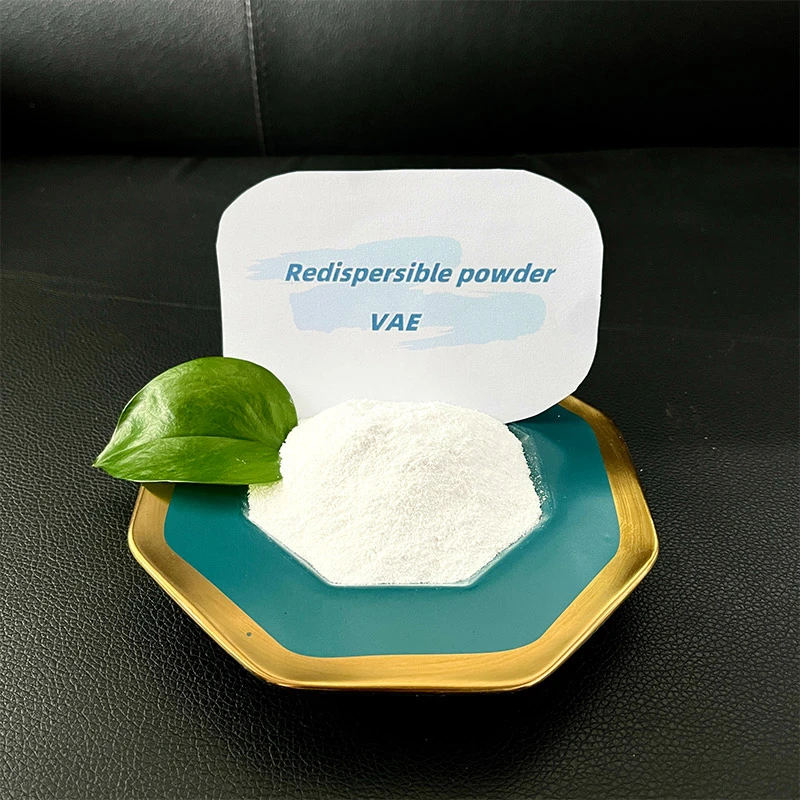


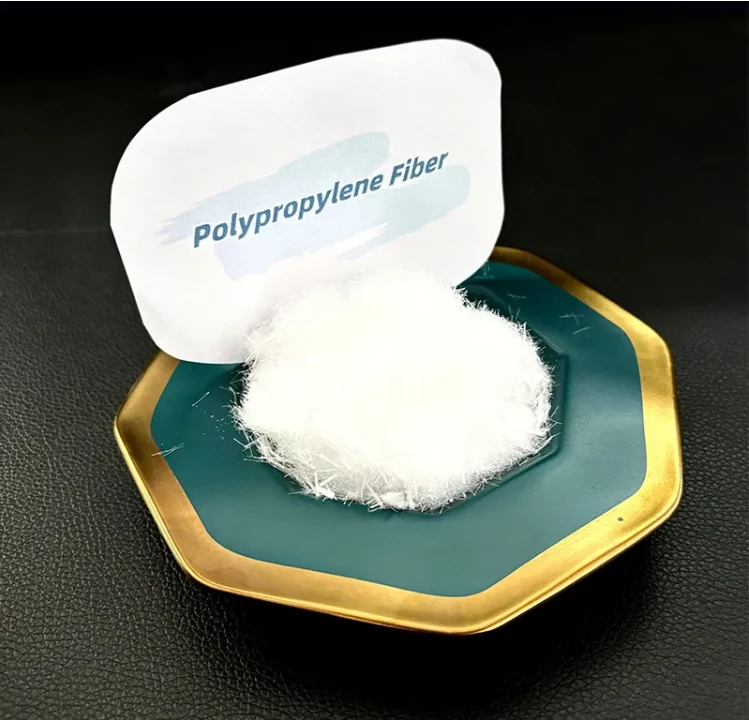
Understanding Polyolefin Fibers Properties, Applications, and Advantages Polyolefin fibers, derived from polyolefin resins, have become an integral part of various industries, ranging from textiles to automotive and construction. Polyolefins, primarily polyethylene (PE) and polypropylene (PP), are polymers characterized by their versatility, lightweight nature, and resistance to chemicals and moisture. This article delves into the properties, applications, and benefits of polyolefin fibers. Properties of Polyolefin Fibers Polyolefin fibers exhibit a range of properties that make them suitable for different applications. One of their most notable characteristics is their resistance to moisture and chemicals. Unlike natural fibers, polyolefin fibers do not absorb water, making them ideal for use in damp environments. This resistance also contributes to their longevity, as they are less prone to mildew and deterioration. Another significant property is their lightweight nature. Compared to other synthetic fibers, polyolefin fibers are less dense, which offers convenience and ease of handling, especially in textile applications. Furthermore, these fibers have excellent thermal stability, remaining effective across a broad temperature range. Their low melting point, however, requires careful handling during processing and manufacturing. Polyolefin fibers are also renowned for their tensile strength and flexibility. These attributes not only enhance their durability but also allow for a variety of weaving and knitting techniques, leading to diverse fabric textures and styles. Additionally, they exhibit colorfastness, which means that dyes and pigments adhere well to the fibers without fading over time—a crucial factor for textile manufacturers. Applications of Polyolefin Fibers The versatility of polyolefin fibers has led to their widespread adoption across various industries. In the textile sector, polyolefin fibers are commonly used to produce non-woven fabrics, geotextiles, and various clothing items. Their moisture-wicking properties make them particularly popular in activewear and athletic apparel, where breathability and comfort are paramount. fibre de polyoléfine In the automotive industry, polyolefin fibers are utilized in interior components such as seating, carpeting, and insulation. Their lightweight nature contributes to overall fuel efficiency, aligning with industry trends toward sustainability. Additionally, the fibers impart excellent sound insulation properties, leading to a quieter ride for passengers. Polyolefin fibers are also gaining traction in the construction sector. Their resistance to moisture and chemicals makes them ideal for applications in roofing, insulation, and protective coverings. Furthermore, the fibers can be incorporated into concrete to improve its tensile strength, durability, and resistance to cracking. Advantages of Polyolefin Fibers The advantages of using polyolefin fibers are numerous and compelling. First and foremost, they offer excellent cost-effectiveness. As one of the most produced synthetic fibers globally, polyolefins are readily available and can be manufactured at a lower cost compared to other materials. Additionally, the sustainability aspect of polyolefin fibers is gaining attention. While traditional plastics pose environmental concerns, the recycling and reuse potential of polyolefins can mitigate some of these issues. Many polyolefin products are now being designed with recyclability in mind, contributing to a more circular economy. Another significant advantage is the low maintenance required for polyolefin-based products. Fabrics made from these fibers are easy to clean, resistant to stains, and retain their original properties even after multiple washes. This reduces the need for harsh cleaning products, further supporting environmental sustainability. In conclusion, polyolefin fibers present a wealth of benefits that cater to various industries, from textiles to automotive and construction. Their unique properties, such as chemical and moisture resistance, lightweight nature, and long-term durability, make them an attractive option for manufacturers looking to innovate and optimize their products. As sustainability continues to gain importance in material selection, the role of polyolefin fibers is likely to expand, paving the way for more eco-friendly and efficient solutions in the future.
- 40000tons

Production
- 20+years

Experience
- 5000+㎡

Acreage

-

In the rapidly advancing world of materials science, chemical material rubber powder emerges as a remarkable innovation with diverse applications and unmatched benefits. Through extensive research and development, manufacturers have unlocked the potential of rubber powder, a product derived from recycled rubber materials, primarily tire rubber. This sustainable solution not only contributes to environmental conservation but also enhances the performance and usability of various industrial products. One of the most compelling applications of chemical material rubber powder is in the realm of construction. When incorporated into asphalt, rubber powder enhances the durability and elasticity of road surfaces. This results in a significant reduction in maintenance costs and an extended lifespan for infrastructure. The elasticity imparted by rubber powder allows roads to better withstand heavy traffic loads and extreme weather conditions, making it an optimal choice for regions experiencing harsh climates. In the field of consumer goods, rubber powder is ingeniously utilized in the manufacturing of sports equipment and footwear. By integrating rubber powder into these products, manufacturers can achieve superior grip, shock absorption, and flexibility. This not only elevates the performance standard of such products but also caters to the ever-growing demand for high-quality, durable consumer goods. The insulation industry also reaps the benefits of chemical material rubber powder . Used as an additive in insulation materials, rubber powder enhances thermal and acoustic properties, leading to more energy-efficient and quieter living spaces. This advancement is particularly salient in urban settings where noise pollution and energy consumption are significant concerns. Experience in utilizing rubber powder at an industrial level underscores its transformative impact. Companies report substantial improvements in product efficiency and longevity, attributing these successes to the unique properties of rubber powder. For instance, its high elasticity and resistance to wear contribute to reducing production costs by minimizing the frequency of equipment maintenance and replacement. Moreover, the integration of recycled materials epitomizes a commitment to sustainability, aligning with corporate social responsibility goals and resonating with environmentally conscious consumers. chemical material rubber powder From a technical standpoint, the expertise involved in processing and utilizing rubber powder is profound. Specialists describe the meticulous process of transforming discarded rubber products into fine powder, highlighting advanced grinding techniques and proprietary formulations that ensure consistency and quality. These procedures require a blend of engineering expertise and innovative approaches to maximize the material's potential while maintaining ecological balance. Authoritativeness in the field of chemical material rubber powder is solidified by peer-reviewed studies and comprehensive industry reports that validate its efficacy and safety. Researchers have conducted a myriad of tests to understand the long-term effects and performance benefits of rubber powder across various applications. Such scholarly work provides a robust framework for industries to confidently adopt and innovate using this material. Trustworthiness is a cornerstone of the burgeoning rubber powder industry. Reliability is fortified through a track record of successful implementations, positive client testimonials, and endorsements from industry leaders. Companies that champion the use of rubber powder often share case studies and real-world results, fostering trust and encouraging broader adoption. In conclusion, chemical material rubber powder represents a confluence of innovation, expertise, and sustainability. Its multifaceted applications and proven benefits position it as a transformative element in modern industry. As industries across the globe continue to explore its myriad advantages, rubber powder is set to redefine the benchmarks of durability, efficiency, and environmental stewardship in a multitude of sectors.
-
Hydroxypropyl methylcellulose, commonly abbreviated as HPMC, stands for a multifaceted polymer with numerous applications in various industries, thanks to its unique properties. This versatile compound is widely regarded for its exceptional binding, thickening, and stabilizing characteristics, playing a pivotal role in product development across sectors such as pharmaceuticals, food, and construction. HPMC's application in the pharmaceutical industry exemplifies its value and utility . As an inert, viscoelastic substance, it is primarily utilized in formulating controlled-release drugs. The polymer's ability to modify drug release rates enhances therapeutic efficacy and patient compliance. Its safety and effectiveness are evidenced by extensive research studies and FDA approvals that certify its use in pharmaceutical tablet coatings and encapsulations. Scientists and pharmaceutical experts acknowledge HPMC's critical role in the successful delivery of active ingredients, underscoring its expertise and authoritative position in drug formulation processes. In the food industry, HPMC finds significant application as a food additive, particularly in gluten-free products. It acts as a substitute for gluten by providing the necessary structure and elasticity, ensuring that gluten-free baked goods maintain a desirable texture. The polymer's role in improving water retention and extending shelf life further highlights its importance. Experts in food science frequently explore HPMC's role in dietary fiber enrichment, which bolsters its status as a credible and trusted component in food manufacturing. hpmc stands for The construction industry also benefits from HPMC's unique qualities, especially in the production of construction materials like cement and plaster. HPMC enhances the workability of mortar, offering improved water retention and increased adhesion. This, in turn, leads to reduced cracking and increased durability, essential features in modern construction projects. Construction engineers and material specialists recognize the authoritative impact of HPMC in enhancing structural integrity, underlining its necessity in high-quality construction practices. The impact of HPMC extends beyond its functional properties; its sustainability aspect also contributes to its growing popularity. Derived from cellulose, one of the most abundant natural polymers, HPMC is biodegradable and lessens the environmental footprint typically associated with synthetic additives. Environmental and chemical engineers emphasize the importance of sustainable practices in material development, and HPMC stands at the forefront, bridging the gap between efficacy and environmental responsibility. In conclusion, Hydroxypropyl methylcellulose is a compelling example of a multifunctional polymer that has seamlessly integrated into diverse applications across different industries. Its demonstration of efficacy, backed by scientific research and regulatory approval, establishes trust and authority in its usage. The capacity to drive innovations in pharmaceuticals, food, and construction illustrates its broad expertise. As trends increasingly point towards sustainable and efficient solutions, HPMC stands as a testament to the ingenuity of material science in adapting to modern demands, firmly establishing its place as an indispensable product ingredient.
advantages
-

200000 Viscosities
Excellent product
We can produce pure products up to 200,000 viscosities
-

40000 tons
High yield
We don’t stop production all year round, and the annual output can reach 40,000 tons
-

24 hours
Quality service
We provide 24-hours online reception service, welcome to consult at any time
———— Inquiry Form
Schedule A services

-
 pati_eter_cina
Oct . 25, 2025
Hydroxypropyl methylcellulose (HPMC) is a versatile and reliable polymer commonly adopted in various -
 hpmc_6_cps
Oct . 25, 2025
Pentastarch is a frequently utilized colloidal solution that has sparked interest among medical prof -
 hpmc_kapselhulle
Oct . 25, 2025
Rubber anti-tack powder plays a critical role in the rubber manufacturing industry . Its application


